

East Africa in 2026: Sourcing Opportunities and Supply Chain Realities
Introduction
East Africa — comprising Kenya, Tanzania, Uganda, Rwanda, Burundi, and Ethiopia — represents one of the most dynamic consumer markets in the world. With a combined population exceeding 300 million and GDP growth rates averaging 5.2% annually, the region offers substantial opportunities for traders, manufacturers, and distributors.
However, East Africa is also a market where supply chain complexity, infrastructure gaps, and regulatory fragmentation can derail even well-planned ventures. At Vishram General Trading LLC, we have spent over a decade navigating these challenges. This article shares practical insights for businesses looking to source for, or distribute within, East African markets.
1. Market Overview: The Numbers Behind the Opportunity Table
Country | Population (2026 est.) | GDP Growth (2025) | Key Import Categories |
Kenya | 56 million | 5.1% | Machinery, electronics, vehicles, petroleum products |
Tanzania | 67 million | 5.8% | Industrial equipment, consumer goods, building materials |
Ethiopia | 126 million | 6.2% | Machinery, textiles, electronics, agricultural inputs |
Uganda | 49 million | 5.5% | Petroleum, vehicles, pharmaceuticals, machinery |
Rwanda | 14 million | 7.0% | Construction materials, IT equipment, energy infrastructure |
Key drivers of demand:
- Urbanization: East Africa’s urban population is growing at 5% annually, creating demand for housing, consumer goods, and infrastructure.
- Middle-class expansion: The African Development Bank estimates that 40% of East Africans will be middle-class by 2030.
- Infrastructure investment: China’s Belt and Road Initiative, EU development funds, and domestic public-private partnerships are financing roads, railways, and energy
2. What East Africa Imports — And Why It Matters for Sourcing
Understanding import composition is critical for traders. East Africa’s top imports reveal clear opportunities:
2.1 Industrial Machinery & Equipment
- Demand drivers: Manufacturing growth, agricultural modernization, mining
- Sourcing strategy: Chinese and Indian manufacturers offer competitive pricing, but quality consistency Vishram conducts pre-shipment inspections and factory audits to mitigate risk.
- Regulatory note: Kenya Bureau of Standards (KEBS) and Tanzania Bureau of Standards (TBS) require pre-export verification of conformity (PVoC) for many product categories.
2.2 Electronics & IT Equipment
- Demand drivers: Mobile penetration (85%+ in Kenya), fintech growth, government
- Sourcing strategy: Dubai and Shenzhen are primary sourcing Key considerations:
- Voltage compatibility (220–240V, 50Hz).
- Warranty and after-sales support
- Compliance with local type-approval requirements (e.g., Communications Authority of Kenya for telecom equipment).
2.3 Building Materials
- Demand drivers: Construction boom in Nairobi, Dar es Salaam, and Addis Ababa; affordable housing programs.
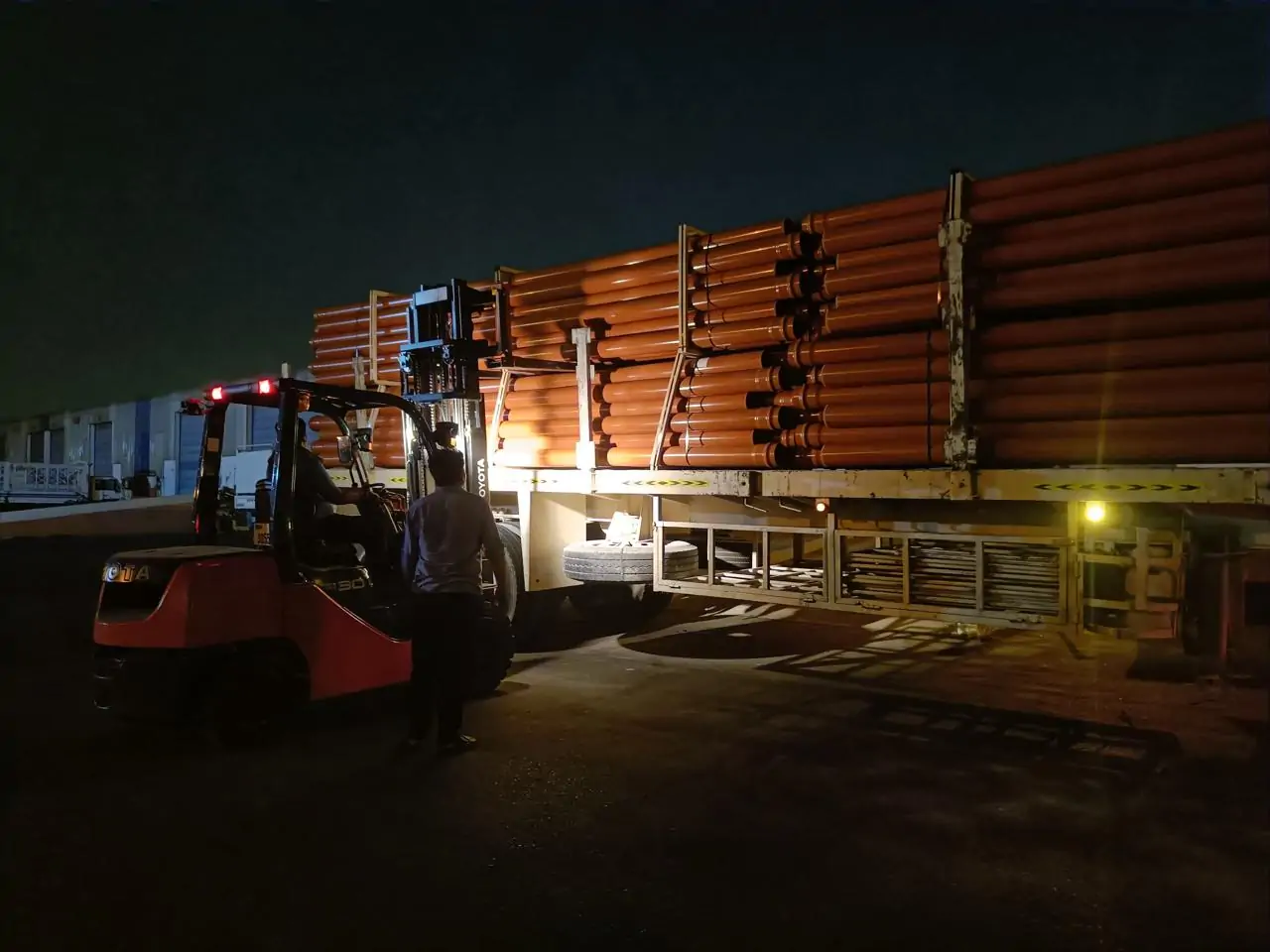
- Sourcing strategy: Ceramic tiles, steel, cement, and sanitary ware from UAE, India, and Logistics challenge: bulky cargo requires break-bulk or containerized shipping with careful load planning.
2.4 FMCG & Consumer Goods
- Demand drivers: Population growth, changing dietary habits, retail
- Sourcing strategy: Vishram specializes in consolidated sourcing — combining orders from multiple suppliers into single container shipments to reduce per-unit logistics costs.
3. Supply Chain Realities: The Challenges No One Talks About
- Port Congestion & Dwell Time Table
Port | Average Dwell Time (2025) | Key Issue |
Mombasa (Kenya) | 5.2 days | Customs clearance delays, documentation errors |
Dar es Salaam (Tanzania) | 8.1 days | Infrastructure constraints, manual processes |
Djibouti | 3.8 days | Regional transshipment hub, but limited hinterland |
Mitigation strategies:
- Pre-clearance documentation and customs brokerage
- Use of Authorized Economic Operator (AEO) programs where
- Alternative routing through Port Sudan or Berbera for Ethiopian-bound.
Related Post